The Time Chicken and Broccoli Made Me Burst Into Tears (A Real-Life Example of the Mental Load)
Stay with me here. It will make sense, I promise.
If you are on social media at all these days, there’s no way you haven’t heard the term “the mental load.” It’s usually used to describe the invisible, unappreciated tasks that one partner — typically the mom — carries to keep a household running smoothly.
The mental load is the thinking, planning, remembering, anticipating, and adjusting that happens long before the task itself is ever completed.
And when that phrase started circulating online? Man. I felt it in my soul.
Whoever coined it absolutely nailed it — because that’s exactly what it feels like. A load.
There’s a movie with Sarah Jessica Parker called I Don’t Know How She Does It that shows this perfectly. Her character lies in bed at the end of a long day, mentally running through lists and tasks and appointments instead of sleeping.
It feels exaggerated.
It is not.
The Night It All Came to a Head
Let me paint you a picture from my own life.
It started very innocently — with me making dinner.
As any mom knows, when you have kids, you have to feed them. And no matter what you feed them, someone will be unhappy.
That’s just the way it is.
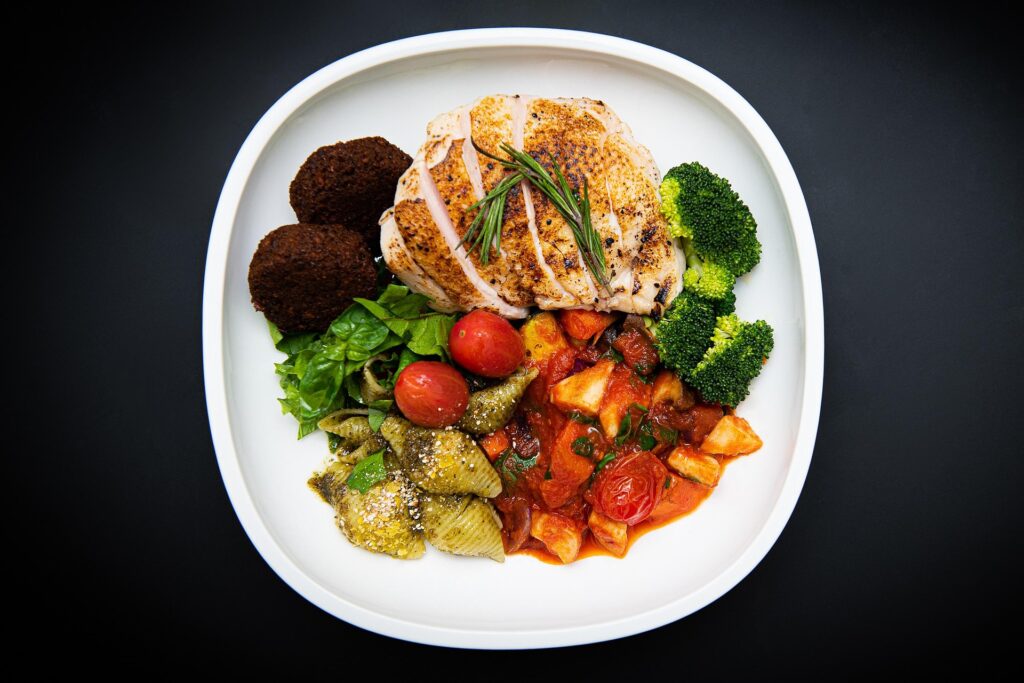
On this particular night, I planned something simple: oven-baked chicken breasts, baked potatoes, and boiled broccoli. I anticipated a few grumbles. Nothing major.
I actually love to cook. It’s one of my hobbies and one of the ways I show love to my family. So I don’t usually mind being the primary person responsible for meals.
I was almost finished when the complaints started.
We hadn’t even sat down yet.
“I only want chicken. I hate baked potatoes.”
“Can I just have chicken nuggets?”
“I don’t WANT that.”
I’m pregnant and emotional at the best of times, so I tried to stay calm and went to my partner for backup.
“The kids are all complaining and don’t want to eat the dinner I made.”
And then he said:
“Well babe, to be honest, I don’t even want to eat it.”
Yes. He really said that.
He didn’t mean it the way it came out. He has IBS, and certain foods aren’t always appealing or comfortable. But in that moment?
It landed badly.
I burst into tears. Full breakdown. In my kitchen.
Over chicken.
Why It Wasn’t Actually About the Chicken
Later that night, after I had calmed down, I sat down with him to explain.
I don’t like being seen as irrational. And I’m sure it looked like an overreaction.
So I told him this:
“This dinner is a perfect example of why meal planning for this family feels stressful to me — and how doing it has taken the joy out of cooking, even though it’s something I love.
By default, I am in charge of meals. Which means I’m also responsible for grocery shopping, keeping a mental inventory of what we have, and remembering everyone’s preferences.
The last time I shopped, I bought chicken. I prefer dark meat, but one kid only eats white meat, so I bought breasts. I’m trying to save money, so I bought bone-in instead of boneless — and now he won’t eat it because of the bones.
I prefer mashed potatoes, but another kid only likes baked, so I made them that way.
I prefer roasted broccoli. You only like it boiled and soft, so I made it that way for you.
By the time dinner is ready, not a single part of the meal is prepared the way I would choose to eat it myself.
On top of that, I had to cook the chicken from frozen because you forgot to take it out like I asked. And I had to clean the kitchen before I started because the dishwasher wasn’t loaded.
And then after all of that — you tell me you don’t even want to eat it.
That’s why I was upset.”
What the Mental Load Actually Looks Like
The mental load isn’t just cooking dinner.
It’s:
- Anticipating preferences
- Managing the grocery budget
- Tracking inventory
- Adjusting for dietary issues
- Remembering who hates what
- Compensating when someone forgets something
It’s the invisible spreadsheet running in your brain 24/7.
And when the effort feels unseen — even unintentionally — it hurts.
The Aftermath
My partner is a good man. He listens. He apologizes sincerely. He wants to understand.
We talked. He heard me.
And since that conversation, I haven’t been brought to tears by chicken again.
Or even broccoli.
If You’re Carrying the Mental Load Too
I’m sharing this because I want to add a real-life example to the mental load conversation.
Sometimes it’s not about the dinner.
It’s about the invisible weight behind it.
If you’re a mom — or anyone — who feels like you’re carrying more than your share at home, I see you.
What you’re feeling is real.
Communicate your needs. Explain the “why.” Give your partner the chance to understand.
And don’t let chicken and broccoli take you down.
If this resonated with you, you might also enjoy:
And if you’d like more honest stories about motherhood, pregnancy, relationships, and the invisible parts of family life, you can join my email list below.
I’m really glad you’re here.
Leave a Reply